

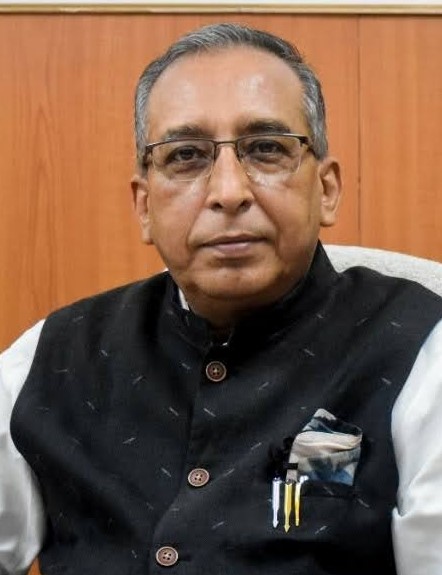
“Hospitality and tourism education today is evolving faster than ever before, driven by technology, the idea of sustainability and global collaboration. Modern tools like AI, VR, and AR have transformed traditional learning into immersive, skill-based experiences that prepare students for real-world challenges. At the same time, the focus on sustainability, cultural sensitivity, and ethical leadership ensures that future professionals grow as responsible global citizens. Together, these innovations are shaping a new generation of hospitality leaders who are expected to make this world a better place to live in.”
Prof. Arunangshu Bhattacharya, Founding Deputy Director and former Head, Amity School of Hospitality, Amity University, Haryana
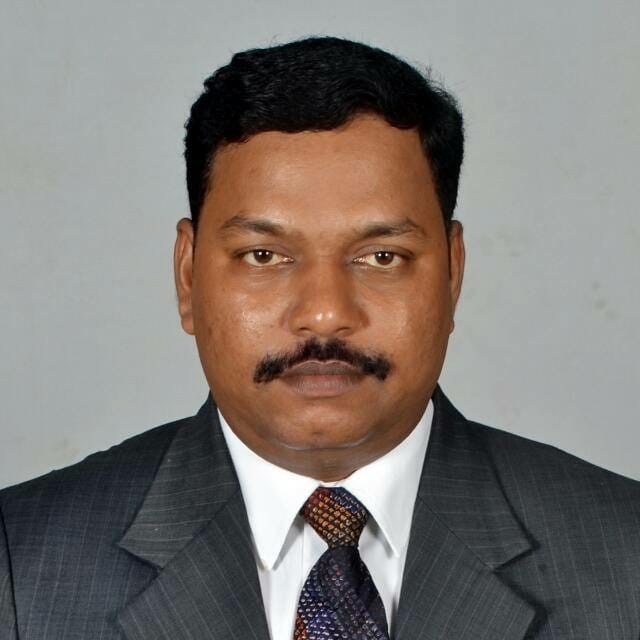
“The hospitality industry is transforming rapidly, with food production emerging as a dynamic domain driven by technology and sustainability. To keep pace, hotel management colleges must introduce students to contemporary innovations shaping culinary operations. From smart kitchens equipped with IoT-based monitoring systems to sustainable sourcing, zero-waste cooking, and plant-based gastronomy, these trends redefine modern food production. Integrating 3D food printing, AI-assisted menu planning, calorie conscious diet and data-driven forecasting can enhance operational efficiency and creativity in kitchen management. Equally vital is experiential learning — simulation labs, industry collaboration, and research-led culinary innovation projects can bridge the gap between academics and real-world practice. By embedding these innovations in the curriculum, hospitality institutions can prepare future chefs and managers who are not only skilled in cuisine but also conscious of technology, sustainability, and customer experience — essential pillars of tomorrow’s food service industry.”
Dr. T. Milton, Principal, Saveetha Hospitality Institute -Food & Tourism, Saveetha Institute of Medical and Technical Sciences(SIMATS), Chennai.
Reimagining Hospitality and Tourism Education in India
“Hospitality and Tourism Education is changing fast across the world—and India must keep pace. Today’s students need more than just training in four hotel departments (Food Production, F&B Service, Front Office, Housekeeping). These areas are important, but not enough. The industry now demands skills in technology, sustainability, storytelling, and entrepreneurship.New tools like AI, virtual reality, and online learning are helping students learn better, even from remote areas. At the same time, India’s rich culture and regional diversity offer a big advantage. By including local cuisines, festivals, and traditional hospitality styles, we can make learning more meaningful and rooted in identity. Sustainability is also key. Students must learn how to run eco-friendly hotels, reduce waste, and support community tourism. Classrooms should become creative spaces—where students practice towel art, food styling, and digital storytelling, not just memorize theory. Teachers must guide students to think, create, and lead with empathy. The future of hospitality education lies in blending technology, tradition, and purpose— so learners are ready not just for jobs, but for shaping a better, more inclusive industry.”
Prof. Bonophool Banerjee, Qualified Learning Facilitator (QLF), LHC, Switzerland HoD (Rtd.) – IHM, KOLKATA & Academic Consultant
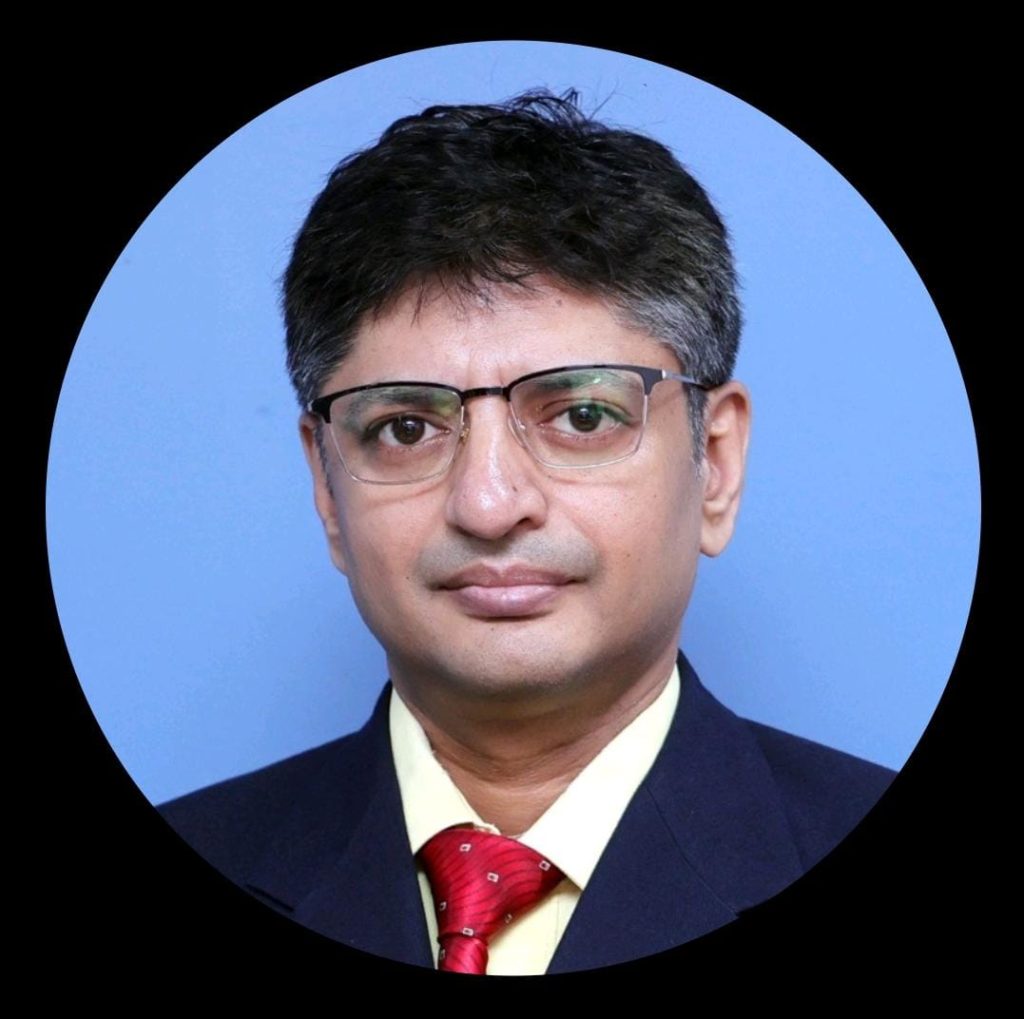
“There are fresh innovations and trends for hospitality and tourism education, restructuring the teaching of future industry stakeholders to cater to the ever-changing industry demands. There is the prospect of technologies where teaching institutions are embedding artificial intelligence (AI), virtual reality (VR), and the internet of things (IoT) as learning course formats to simulate real hotel operations and encourage experiential learning. These technologies help students learn digital check-in, customized guest experiences, and smart-room features virtually. Responsible travel and sustainability are also major drivers, as schools emphasize green certifications, sustainable business models, and ecocentric approaches to align industry interest in environmental stewardship. In addition, data analytics and generative artificial intelligence are employed to teach about demand planning, customer profiling, and marketing personalization—a core competency of the digitally transformed workforce. Another new innovation is the rise of blended and immersion learning, whereby the internet-based platforms, the augmented reality, and cross-border collaborations expose the students to different international situations. Complementing the focus on emotional intelligence, inclusivity, and well-being, these innovations prepare the graduates for the future of the hospitality and tourism industry, which is driven by technology, sustainability, and people-centered service.”
Dr. Sandilyan Ramanujam Pagaldiviti, Principal & Professor, Army IHMCT, Bengaluru, India
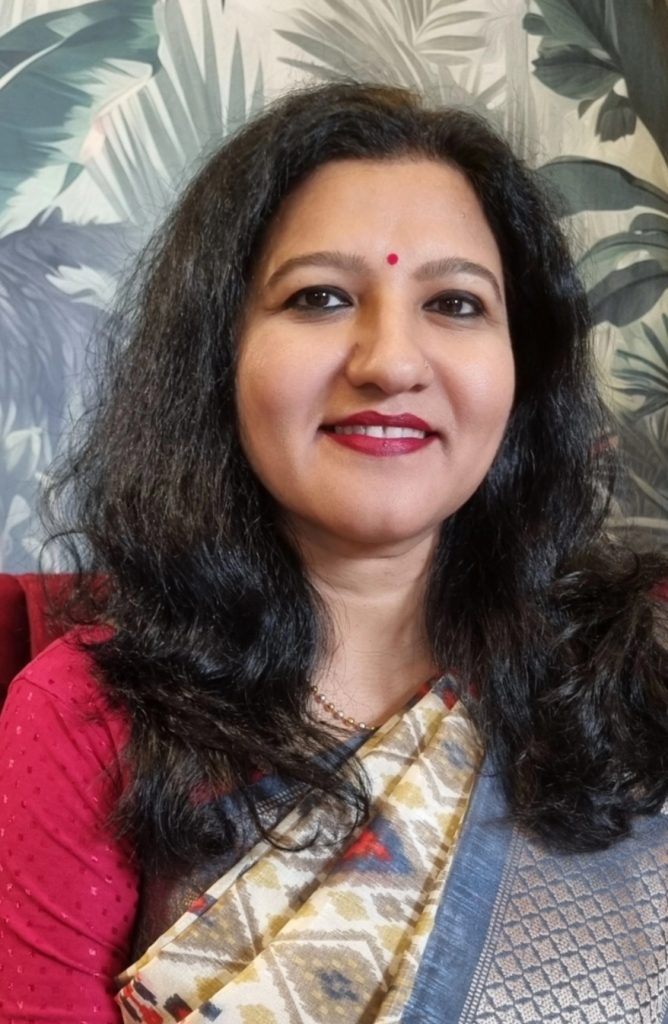
“I believe the future of hospitality and tourism education depends on our ability to shape professionals who are not only skilled but also adaptable, innovative and deeply aware of global transformations. True success in this field goes beyond technical expertise; it lies in connecting skill with sensitivity and knowledge with purpose. As sustainable tourism, digital transformation, and immersive learning redefine our industry, educators and leaders have a vital role in preparing future professionals to thrive amidst change. We must create inclusive, forward-thinking learning environments that encourage critical thinking, interdisciplinary collaboration, and an entrepreneurial mindset. Strengthening the bridges between academia and industry, integrating technology into curricula and providing real-world exposure will be key to building confidence and resilience in our students. I believe those who succeed will be the ones who understand how to align their skills with societal needs and drive purposeful innovation. Together, we can nurture responsible, creative, and future-ready professionals who will lead hospitality and tourism toward a sustainable and meaningful future.”
Dr. Laxmi Todiwan, Founder – Indian Women in Hospitality
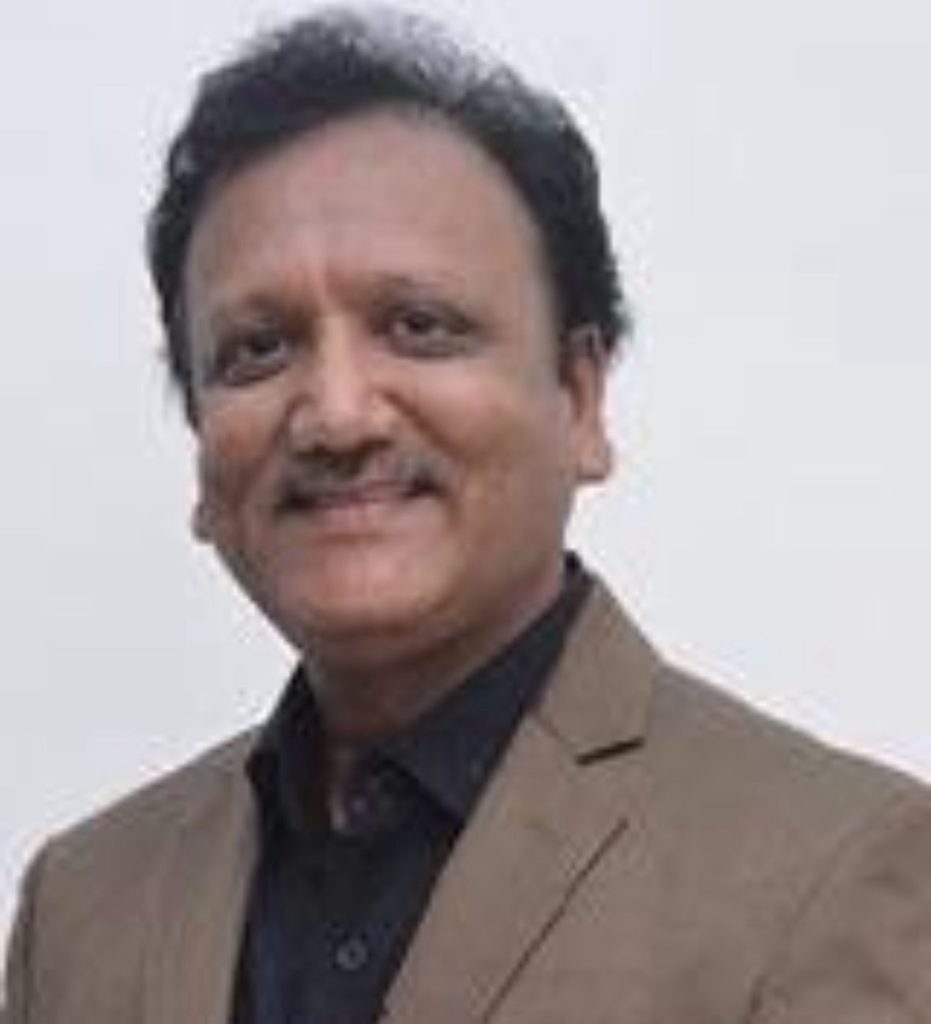
“Emerging trends and innovations in hospitality and tourism education are transforming the academic landscape, enriching our academic community in numerous ways. Digital learning platforms, virtual reality experiences, and industry partnerships are revolutionizing the way students learn and gain practical skills. Personalized learning, experiential learning, and a focus on sustainability and cultural awareness are preparing students for the industry’s evolving needs. These developments enhance employability, foster global perspectives, and encourage lifelong learning, ultimately equipping students for success in the dynamic hospitality and tourism industry. By embracing these advancements, hospitality and tourism education can drive industry growth, innovation, and excellence. Students can engage in hands-on experiences, such as cooking classes, hotel management simulations, and internships, which complement theoretical knowledge. Moreover, collaborations with industry leaders provide valuable networking opportunities, mentorship, and job placements. As the industry continues to evolve, incorporating emerging trends like sustainable tourism, wellness tourism, and digital marketing can further enrich the curriculum. This integration can lead to enhanced career opportunities, industry growth, and a more skilled workforce, ultimately benefiting the entire hospitality and tourism sector. By embracing innovation, we can create a brighter future for our students and the industry.”
Dr. Jaideep Yadavrao Hire, Senior Coordinator (Academic), School of Commerce and Management, Yashwantrao Chavan Maharashtra Open University, Nashik

Redefining Hospitality Education for a Sustainable Future
“The hospitality and tourism industry is undergoing a remarkable transformation — one driven by technology, inclusivity, and a renewed respect for nature. As educators, it is our responsibility to prepare students who are not only skilled professionals but also sensitive custodians of our environment and culture. Artificial Intelligence is reshaping how we learn, teach, and serve, and its integration into hospitality education can enhance efficiency, personalization, and innovation. Equally vital is fostering awareness of sustainable tourism — minimizing pollution, conserving natural resources, and promoting destinations that are rustic, authentic, and rooted in local traditions. The future of tourism in India lies in celebrating our domestic treasures and encouraging “back to roots” travel experiences that highlight simplicity, community, and genuine connection. Local cuisine — simple yet authentic — has the power to tell stories of place and people, making it central to this evolving journey. Together, through research, collaboration, and compassion, we can nurture a new generation of hospitality leaders who blend technology with tradition and growth with responsibility.”
Ms. Sharada Ghosh, Principal, Institute of Hotel Management, Bhubaneswar
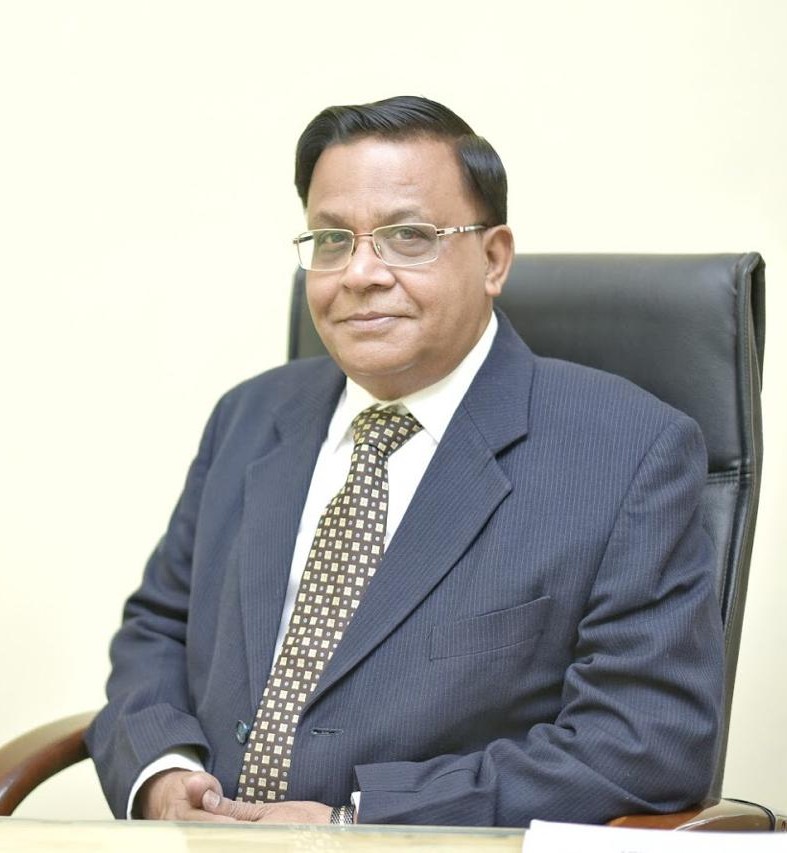
“As the hospitality industry evolves at an unprecedented pace, education must go beyond training for jobs; it must drive discovery and transformation. The future belongs to those who can integrate technology, sustainability, and global perspectives into the heart of hospitality. India’s hospitality educators and students must cultivate a research mindset — to explore, innovate, and create solutions that reimagine guest experiences, foster human connection, and generate insights that transform hospitality from a service industry into a knowledge-driven ecosystem.
The Educators’ Association for Research in Tourism & Hospitality (EARTH) deserves commendation for championing this holistic, innovation-driven approach. Their mission to connect academia and industry aligns perfectly with the future our students must be ready to create.”
Mr. Abhijit De, Chairman, IIAS Education Group
“The hospitality and tourism industry is undergoing a dynamic transformation, driven by AI, changing consumer behavior especially the GenZ, sustainability, and the rising demand for personalized experiences. As educators, it becomes imperative for us to prepare students not just for today’s industry, but for an ecosystem that will continue to evolve rapidly over the next decade.Future-ready hospitality education must integrate AI-ready, entrepreneurship, data-driven decision-making processes, and experiential learning alongside core operational skills. At IHMs, we need to emphasize industry collaborations, research-based learning, and real-time exposure to innovations in hospitality products, tourism offerings, service design and sustainable operations.
Moreover, Indian tourism offers immense potential with its cultural diversity, tribal heritage, regional cuisine and eco-tourism possibilities. If education and industry jointly empower young professionals with creativity, leadership and problem-solving skills, India can emerge as a global hub for responsible and intelligent tourism.
Platforms like EARTH create valuable bridges between academia and industry. By sharing knowledge, fostering research and encouraging innovation, we collectively contribute to shaping the next generation of hospitality leaders.”
Dr. Bhupesh Kumar, Principal, Institute of Hotel Management, Ranchi
Please enter your email we will send a 6 digit verification code.